Fleet
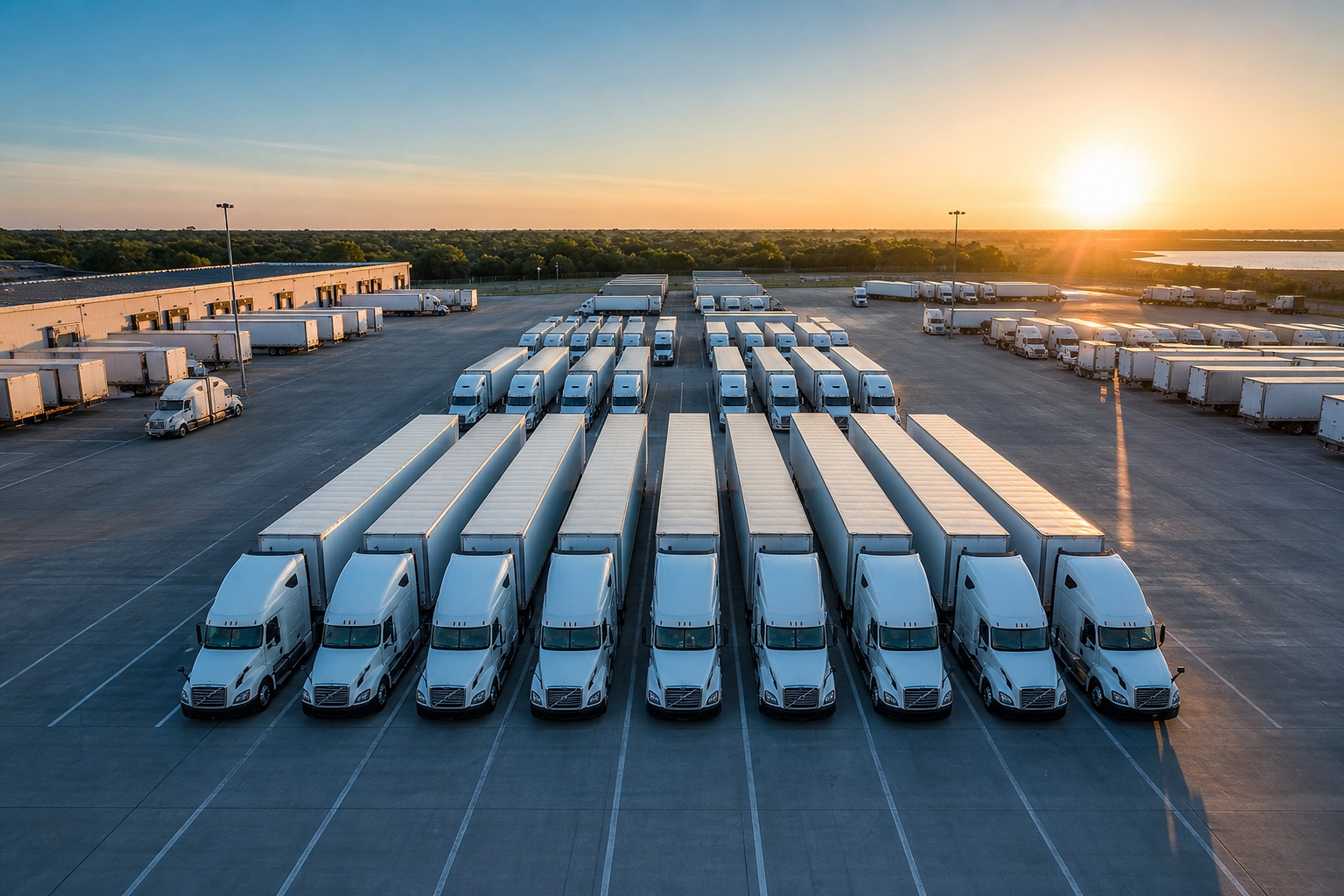
The right trailer for the load, inspected before it leaves.
We run and maintain the equipment our lanes actually require — bulk trailers for sand, deck and lowboy capacity for heavy haul, and winch trucks for oilfield work. Every unit is inspected before it leaves the yard.
- Equipment Classes
- 9Equipment Classes
- Pre-Trip Inspection
- Every shiftPre-Trip Inspection
- Preventive Maintenance
- ScheduledPreventive Maintenance
- Annual Inspections
- DOTAnnual Inspections
Equipment
What we run and what it's for
Equipment is matched to the commodity and the site, not to whatever happens to be available.
| Equipment | Configuration | Typical Use |
|---|---|---|
| Semi Tractors | Day cab and sleeper | Line haul, dedicated lanes, and oilfield support |
| Hopper Bottom Trailers | Bulk gravity discharge | Frac sand and dry bulk to well site |
| Belly Dump Trailers | Bottom discharge | Sand, aggregate, and construction material |
| Pneumatic Trailers | Pressure discharge | Dry bulk requiring enclosed transfer |
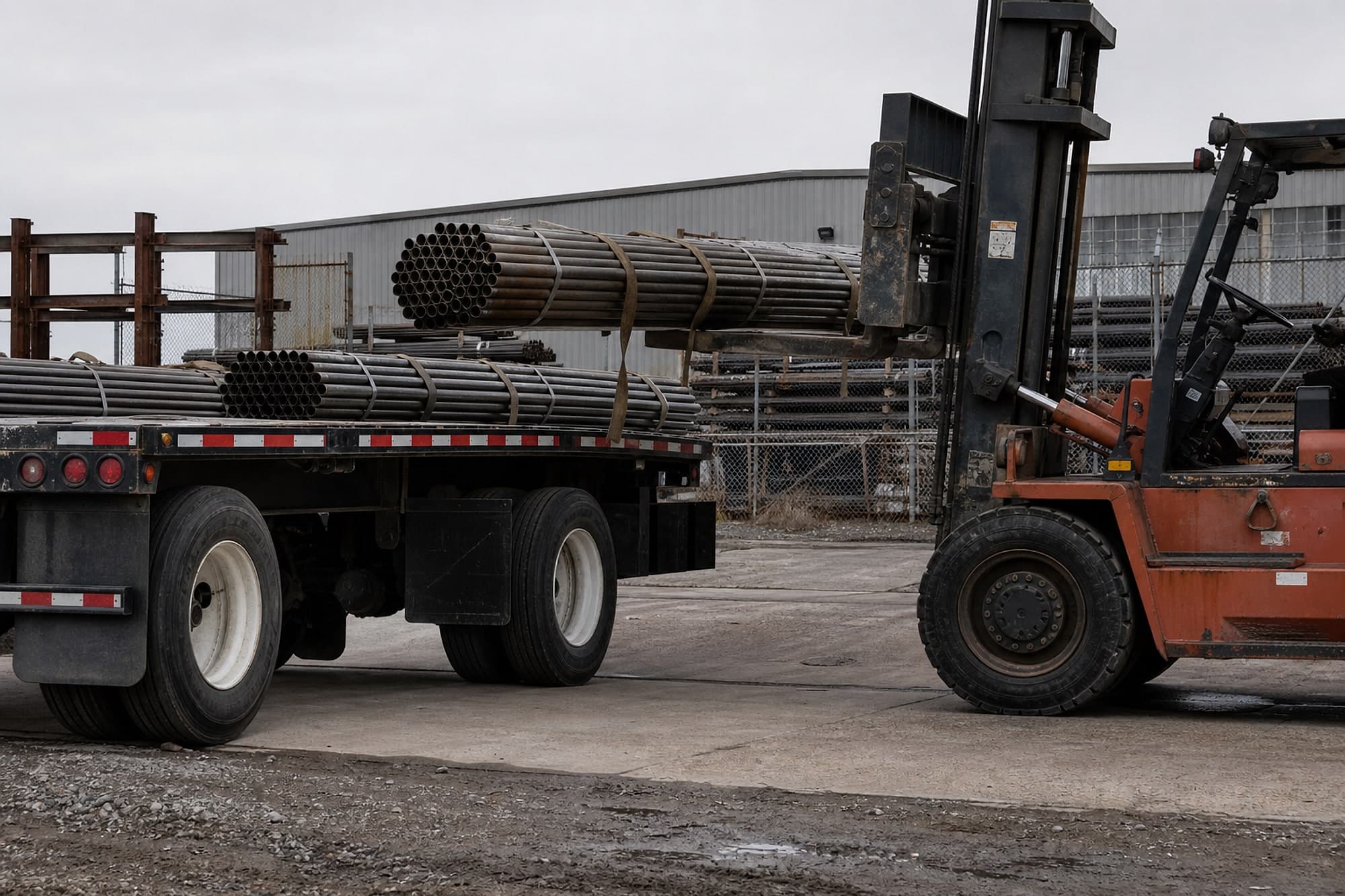
| Flatbed Trailers | 48–53 ft standard deck | Pipe, steel, and general industrial freight |
| Step Deck Trailers | Drop deck | Taller loads that exceed flatbed height limits |
| Lowboy / RGN Trailers | Removable gooseneck | Tracked and wheeled heavy equipment |
| Winch Trucks | Bed and winch configuration | Rig moves and oilfield equipment relocation |
| Chassis | Single and double box | Container and box work on oilfield lanes |
Maintenance
A unit with an open defect does not get dispatched.
Every power unit and trailer runs on a scheduled preventive maintenance interval. Drivers record a pre-trip and post-trip inspection on every shift, and defects are reported through the driver portal rather than passed along verbally at shift change.
Reported defects are tracked to resolution. Anything that puts a unit out of service is cleared before that unit takes another load — there is no version of this where a known problem gets one more run.
Standards
How equipment is kept compliant
- 01Scheduled preventive maintenance on every power unit and trailer
- 02Driver pre-trip and post-trip inspection recorded for each shift
- 03DOT and FMCSA compliance verified against current qualification files
- 04Defects reported through the driver portal and tracked to resolution
- 05Load documentation and BOLs captured at pickup and delivery
- 06Dispatch tracking and status updates through the run
- 07Annual inspections and out-of-service items cleared before dispatch
Need specific equipment on a lane?
Tell us the commodity and the site requirements and we will confirm what it takes to cover it.